



 Back to blogs
Prenatal Yoga: How Yoga Can Support Pregnancy and Maternal Well-Being


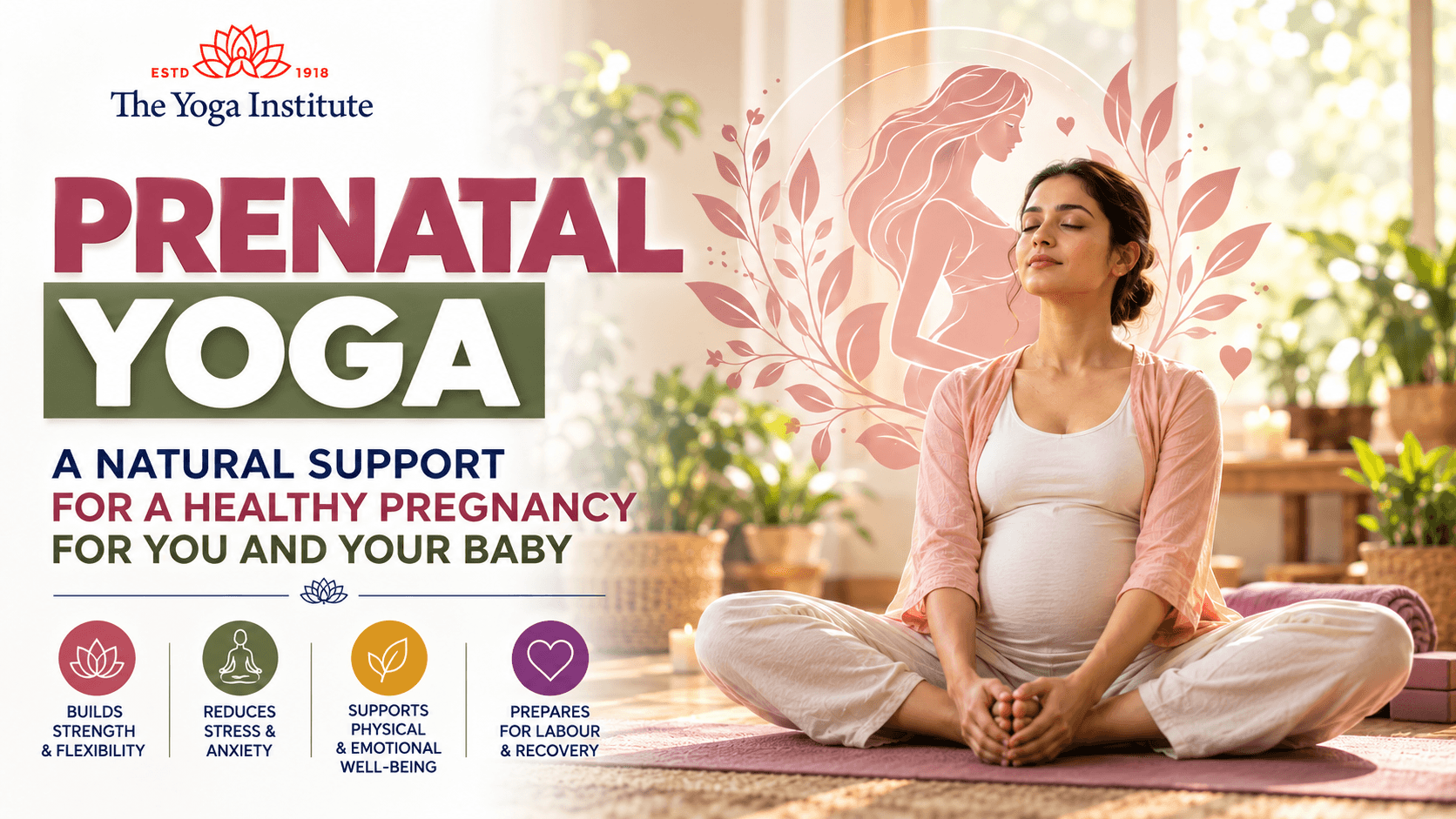
Pregnancy is a wonderful journey which comprises lots of love, response, concern, efforts, sacrifice and it feels different every single day. You may feel some mornings full of energy and some days, even finding a comfortable position to sit or sleep feel difficult.
Yoga will be a gentle companion during your pregnancy period and it is not about doing perfect poses or pushing your body. It is about slowing down, listening to yourself and moving in a way that feels safe and comfortable.
Those gentle postures, mindful movements, easy breathing and relaxation pregnancy yoga will help you feel more connected to your body as it changes.
And importantly yoga during pregnancy should always be practised with care according to your health, comfort, stage of pregnancy and with the guidance of your doctor.
Must Read: Yoga for Hormonal Balance for Women
What Is Prenatal Yoga?
Yoga which is adapted to the physical and practical needs of pregnancy is termed as Prenatal yoga.
It is focusing not focusing on achieving difficult postures or increasing flexibility the emphasis is generally on comfortable movement with body awareness, stability, breathing and rest.
The practice includes gentle movements, selected asanas, variations, modifications of asanas according to the Trimester, relaxation techniques and periods of quiet observation. And importantly the intention is not to push the body into deeper stretch because we are giving the body a proper movement which helps for safe natural delivery.
During pregnancy the body continuously changes as the abdomen grows and the centre of gravity shifts, positions that once felt easy may need support or modification. So a suitable practice therefore changes with the person rather than following one fixed routine throughout all nine months.
Is Yoga Safe During Pregnancy?
A lot of people met with uncomplicated pregnancies due to the result of appropriately modified physical activity and prenatal yoga is among them which gives gentle movements and it is commonly recommended by the doctors and NHS guidance also advises prenatal yoga with safe guidance during pregnancy.
But looking into your individual medical history, pregnancy complications, symptoms, trimester, previous yoga experience and advice from your doctor is more important.
Even for a regular practitioner of yoga also requires certain modifications of poses and same applies to someone who starts yoga for the first time while pregnant.
Inform your yoga instructor that you are pregnant and how far along then ideally, practise with a teacher familiar with prenatal modifications. During this period mindfulness and deep relaxation with body awareness is more important than getting flexibility.
Potential Benefits of Prenatal Yoga
1. Supports Mobility and Flexibility
As the body changes due to pregnancy, the hips, back, and shoulders may begin to feel tight.
How Yoga helps:
Gentle movements can help maintain comfortable mobility and reduce stiffness without placing unnecessary strain on the body.
2. Supports Better Balance and Posture
A growing abdomen can change the body’s centre of gravity and affect its balance.
How Yoga helps:
Slow, controlled postures can improve body awareness and help you move with greater stability and confidence.
3. Encourages Relaxation and Calm
Pregnancy can bring excitement, uncertainty, mental restlessness, mood swings, make you feel overwhelmed and at the same time overexhausted.
How Yoga helps:
Gentle movement and comfortable breathing can help ease physical tension and create a greater sense of calm.
4. Helps You Stay Gently Active
You feel fatigue. It will sometimes make regular movement feel difficult.
How Yoga helps:
A short pregnancy yoga practice will help you to stay active without making the body feel overworked or exhausted.
5. Improves Body Awareness
During pregnancy, movements that once felt easy may begin to feel different and it will make you feel uncommon and disturbed.
How Yoga helps:
Yoga can help you notice changes in breathing, balance, effort, and comfort, making it easier to know when to slow down, modify, or rest.
The real benefit of yoga during pregnancy is learning to move with more awareness, comfort, and care as your body changes.
Gentle Prenatal Yoga Practices for Different Pregnancy Stages
First Trimester
During the first trimester, tiredness, nausea, dizziness, and hormonal changes are common. Keep the practice gentle and avoid unnecessary strain.
Practices:
● Sukshma Vyayama - gentle joint movements
● Marjaryasana–Bitilasana - Cat-Cow
● Sthitaprarthanasana - Standing Prayer Pose- (with feet a little apart to maintain balance)
● Sukhasana - comfortable seated posture
● Yogendra Pranayama 1 - gentle equal breathing
● Bhramari - soft humming breath
These practices may help maintain gentle mobility, encourage comfortable breathing, and provide relaxation and No retention or suspension of breath.
Second Trimester
As the abdomen grows, posture, balance, and hip movement begin to change. More space and support may be needed during pregnancy yoga.
Practices:
● Bhadrasana - Butterfly Pose
● Marjaryasana–Bitilasana - Cat-Cow
● Sukhasana - Easy Pose
● Supported Sthitaprarthanasana
● Sukshma Vyayama
● Gentle breath awareness
● Bhramari
Focus on comfortable hip and spinal movement, steady balance, and relaxation. Avoid forcing stretches or compressing the abdomen.
Third Trimester
In the final trimester, the growing abdomen can make movement slower and balance less steady. The practice should become softer and more supported.
Practices:
● Supported Bhadrasana
● Supported Sthitaprarthanasana
● Gentle Marjaryasana - Bitilasana
● Sukhasana with support
● Gentle Sukshma Vyayama
● Yogendra Pranayama 1
● Bhramari
● Quiet sitting and breath awareness
These practices keep prenatal yoga simple, helping support mobility, relaxation, and body awareness without making the session physically demanding.
At every stage, practise only what feels comfortable and follow the advice of your healthcare provider and a qualified prenatal yoga teacher.
Which Yoga Poses Should Be Avoided During Pregnancy?
Not every yoga posture is suitable during pregnancy. Some poses may place pressure on the abdomen, require strong stretching, or become uncomfortable as balance changes.
● Balasana (Child’s Pose): In its standardised form, it involves folding the body forward and may create pressure around the abdomen as pregnancy progresses.
● Anjaneyasana (Low Lunge): A deep lunge can create too much stretch through the hips and front of the body, especially when balance becomes less steady.
● Hastapadasana (Standing Forward Bend): Deep forward bending may compress the abdomen and can also feel uncomfortable as the belly grows.
● Pascimottanasana (Seated Forward Bend): Folding deeply over the legs can restrict space for the abdomen and should not be forced.
● Strong Twisting Postures: Deep twists can compress the abdominal area, so strong rotational movements are best avoided.
● Deep Backbends: Strong backward bends may place unnecessary strain on the abdomen and lower back.
● Surya Namaskar: The traditional sequence includes forward bends, backbends, and transitions that may not be suitable during pregnancy without specific modification.
● Strong Balancing Poses: As the centre of gravity changes, poses that require difficult balance may increase the chance of losing stability.
● Long Supine Poses: Staying flat on the back for a long time may become uncomfortable later in pregnancy and generally needs modification.
Our Institute’s standardised manual lists pregnancy as a contraindication for several techniques, so pregnancy yoga should always favour comfort, space, stability, and appropriate modification.
Safety Guidelines for Prenatal Yoga
● Check with your healthcare provider before starting or continuing prenatal yoga.
● Tell your yoga teacher you are pregnant and mention your trimester.
● Move gently and avoid forcing any stretch or posture.
● Breathe normally and avoid holding the breath.
● Use support such as a wall, chair, or cushion when needed.
● Stay hydrated and avoid getting overheated.
● Change positions slowly to reduce dizziness.
● Be careful with balance as your body changes.
● Stop if you feel pain, dizziness, breathlessness, or discomfort.
The most important rule is simple: choose comfort and safety over depth or intensity.
When Should You Stop or Modify Your Practice?
Your body may feel different from one day to another during pregnancy. A pose that felt comfortable last week may not feel right today, and that is completely normal.
Stop the practice if you feel:
● dizzy or faint
● unusually breathless
● pain or strong discomfort
● overheated or very tired
● unwell in any way
Modify the pose if:
● your abdomen feels compressed
● your balance feels unstable
● breathing becomes difficult
● getting in or out of the pose feels awkward
Seek medical advice if you notice warning signs such as bleeding, fluid leakage, chest pain, painful contractions, or reduced fetal movement.
In prenatal yoga, listening to your body is more important than completing a pose. Sometimes the best practice is simply to slow down, adjust, or rest.
Moving With Your Pregnancy, Not Against It
Pregnancy often teaches you that every day will not feel the same. Your energy may change, your balance may change, and even familiar movements may start to feel new.
That is why prenatal yoga is not about following the same routine every day. It is about meeting your body where it is.
Some days, you may enjoy a few gentle asanas. On other days, simple breathing, stretching, or resting may feel more suitable.
There is no need to push, compare, or achieve more. Let pregnancy yoga become a small daily check-in with yourself.
Move gently, breathe comfortably, and allow your practice to grow with you and your pregnancy.
FAQs
1. Is prenatal yoga safe during pregnancy?
It may be safe for many people with uncomplicated pregnancies when properly modified. Always follow your healthcare provider’s advice.
2. Can I start pregnancy yoga if I have never done yoga before?
Yes, if your healthcare provider approves. Start slowly with gentle, pregnancy-appropriate practices.
3. Which yoga poses are suitable during pregnancy?
Gentle practices such as Bhadrasana, Marjaryasana-Bitilasana, and supported standing postures may be suitable when practised appropriately.
4. Can I practise yoga in all three trimesters?
Yes, but the practice should change as your pregnancy progresses. Comfort, balance, and medical guidance should always come first.
5. Can I lie on my back during prenatal yoga?
Avoid staying flat on your back for long periods as pregnancy progresses, especially after around 16 weeks.
6. How often should I practise prenatal yoga?
Short, regular sessions are usually more comfortable than long or intense practices. Frequency should depend on your health and pregnancy stage.
7. Is prenatal yoga meant to prepare the body for labour?
It may support mobility, breathing, relaxation, and body awareness, which can be helpful during pregnancy. It does not guarantee a particular labour or birth experience.




0 Comments
No comments yet. Be the first to comment!