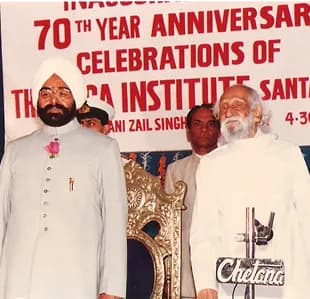
Shri Yogendra ji
Founder
1897 - 1989
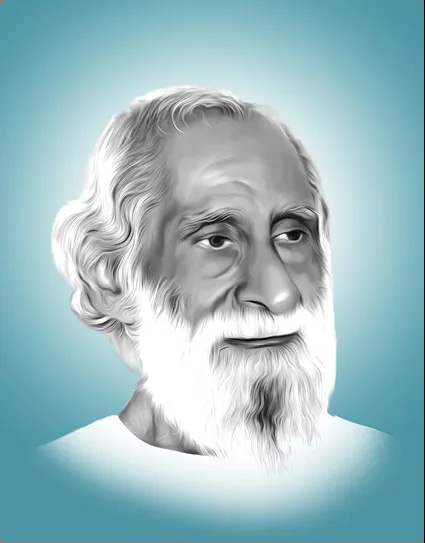
Shri Yogendra ji
Founder
1897 - 1989
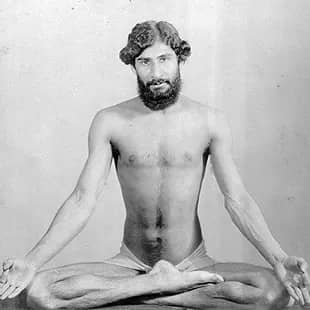
In 1918 Shri Yogendraji founded The Yoga Institute and reshaped the destiny of Yoga for the modern world. Revered as the Father of the Modern Yoga Renaissance, he pioneered the revolutionary “Yoga for the Householder” movement, making authentic Yoga accessible beyond caves and monasteries. In 1920, he established the first Yoga centre in New York, introducing Yoga to the Western world.
Through a scientific, research-based approach, he transformed Yoga into a respected subject of global study, attracting scholars and researchers worldwide. His timeless works simplified profound yogic wisdom for everyday living. A true yogi of extraordinary spiritual mastery, Shri Yogendraji demonstrated that householders too could attain the highest states of physical, mental, and spiritual excellence.
Through a scientific, research-based approach, he transformed Yoga into a respected subject of global study, attracting scholars and researchers worldwide. His timeless works simplified profound yogic wisdom for everyday living. A true yogi of extraordinary spiritual mastery, Shri Yogendraji demonstrated that householders too could attain the highest states of physical, mental, and spiritual excellence.
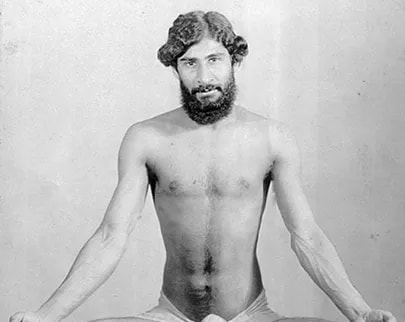
Yogendra in his early years
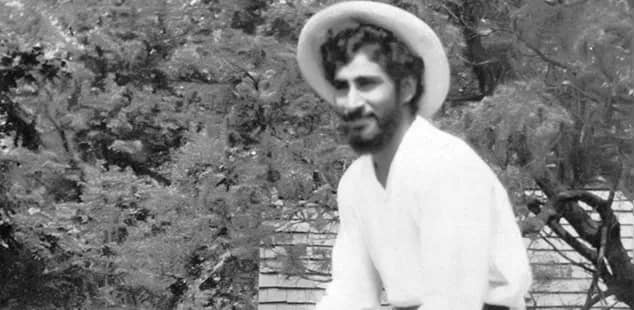
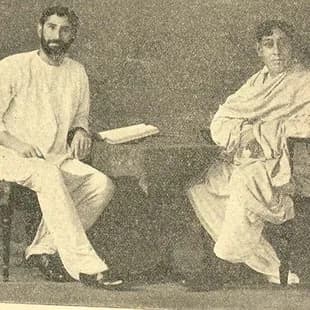
Yogendra, originally named Manibhai Desai, was born on 18 November 1897 into an Anavil Brahmin family in a village near Surat, Gujarat. Fondly called Mogha ("priceless one") during his childhood, he grew up under the care of his father, Haribhai Jivanji Desai, a school teacher, after losing his mother at the age of three. In 1916, at eighteen, after excelling at the Amalsad English School, he joined St. Xavier's College in Bombay. However, homesickness soon led him into depression and a loss of interest in studies. At the suggestion of his roommate, he reluctantly visited the Dharamshala of Paramahamsa Madhavadasaji at Madhav Baug on 26 August 1916, despite his initial skepticism toward sannyasis and sadhus. But as he later wrote in Paramahamsa ni Prasadi (1917), his doubts faded the moment their eyes met, and Madhavadasaji, too, was deeply impressed by Yogendra's potential as a worthy disciple.
It was during this difficult phase that his roommate suggested he visit the Dharamshala of Paramahamsa Madhavadasaji at Madhav Baug. Though skeptical of sannyasis and sadhus, Manibhai eventually agreed and visited on 26 August 1916. This encounter became a turning point in his life. In his later writing, Paramahamsa ni Prasadi (1917), he described how all his doubts dissolved the moment his eyes met those of the saint. Madhavadasaji, too, recognized in him a rare spiritual potential and accepted him not just as a follower, but as a capable disciple.
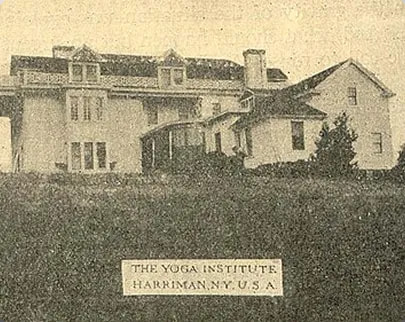
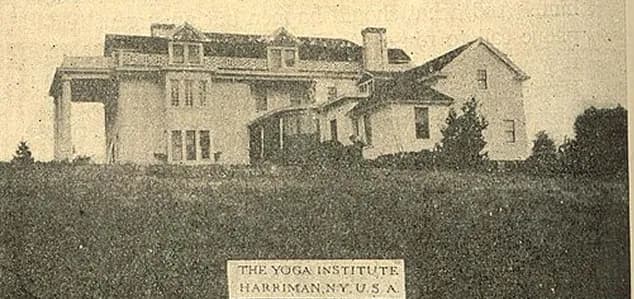
The Yoga Institute in Harriman, New York
Yogendra, originally named Manibhai Desai, was born on 18 November 1897 into an Anavil Brahmin family in a village near Surat, Gujarat. Fondly called Mogha ("priceless one") during his childhood, he grew up under the care of his father, Haribhai Jivanji Desai, a school teacher, after losing his mother at the age of three. In 1916, at eighteen, after excelling at the Amalsad English School, he joined St. Xavier's College in Bombay. However, homesickness soon led him into depression and a loss of interest in studies. At the suggestion of his roommate, he reluctantly visited the Dharamshala of Paramahamsa Madhavadasaji at Madhav Baug on 26 August 1916, despite his initial skepticism toward sannyasis and sadhus. But as he later wrote in Paramahamsa ni Prasadi (1917), his doubts faded the moment their eyes met, and Madhavadasaji, too, was deeply impressed by Yogendra's potential as a worthy disciple.
It was during this difficult phase that his roommate suggested he visit the Dharamshala of Paramahamsa Madhavadasaji at Madhav Baug. Though skeptical of sannyasis and sadhus, Manibhai eventually agreed and visited on 26 August 1916. This encounter became a turning point in his life. In his later writing, Paramahamsa ni Prasadi (1917), he described how all his doubts dissolved the moment his eyes met those of the saint. Madhavadasaji, too, recognized in him a rare spiritual potential and accepted him not just as a follower, but as a capable disciple.